
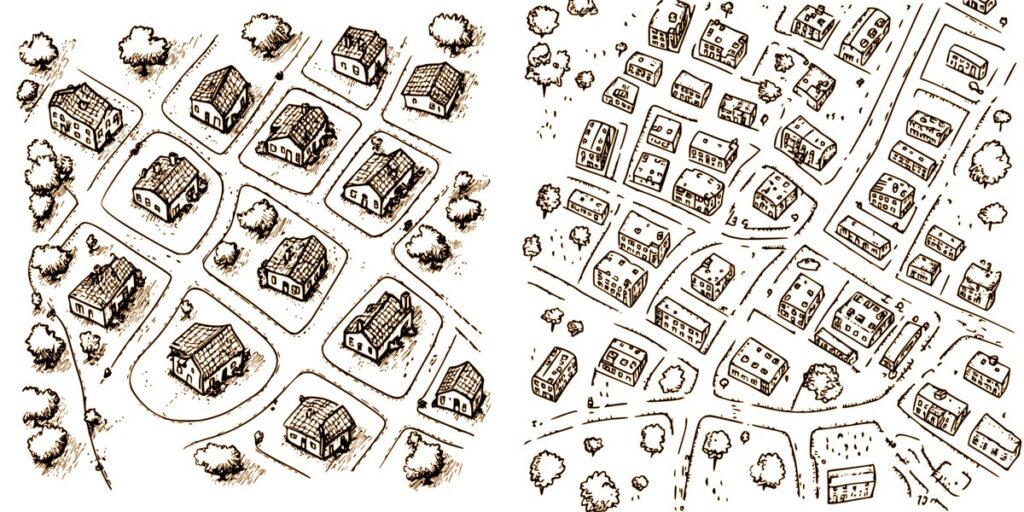
Nestled on the northern edge of Grand Junction, where wide blue skies stretch over green fields and the Bookcliffs loom in the distance, sits the historic Harrison Ranch neighborhood. For those who call it home—or for anyone curious about the hidden stories tucked away in Mesa County—it’s much more than a set of streets and houses. Harrison Ranch is the story of Grand Junction’s past, told through its land, its people, and the evolution of a vibrant community.
The Origins: From Homestead to Neighborhood
To appreciate Harrison Ranch today, you have to step back over a century, to a time when the Grand Valley was mostly sagebrush, orchards, and dreams. The area that would become Harrison Ranch began as part of the original agricultural push that shaped much of Grand Junction’s north side. The land was homesteaded in the late 1800s, as settlers from the East sought new opportunities in Colorado’s fertile valleys.
It was John Harrison, a rancher whose tenacity and vision gave the community its name, who played a pivotal role. Harrison, like many early settlers, worked the land long before city streets and suburban houses crisscrossed the area. With cattle grazing on open fields and irrigation ditches bringing the Colorado River’s lifeblood to row crops, the Harrison Ranch quickly became a well-known stop for commerce and local gatherings.
How Harrison Ranch Got Its Name
The name “Harrison Ranch” is a nod to both the Harrison family and the neighborhood’s roots as a working ranch. John Harrison’s commitment to the land and his community spirit made him a local legend. His property included much of what is now traversed by Harrison Drive, Tamarack Avenue, and the surrounding streets. In the early 20th century, the ranch became a landmark for travelers headed north toward Fruita or west toward Utah, and the Harrison name became synonymous with hospitality and hard work.
As Grand Junction grew, the Harrison family began subdividing parcels of land, paving the way for the residential development that would define the neighborhood’s next century.
Key Historical Milestones
Harrison Ranch has been witness to several key moments in Grand Junction’s history:
- The Fruit Boom of the Early 1900s: Cherry and peach orchards flourished, and nearby roads like 25 Road became vital connectors for area farmers.
- World War II Era: Many young men from the neighborhood served in the war, and returning GIs took advantage of new housing initiatives, hastening the transition from farm to suburb.
- Postwar Suburban Expansion: During the 1950s and ‘60s, homes began to fill in the former pasturelands. The architecture of this era, with its classic ranch-style houses and family-friendly layouts, still lends Harrison Ranch its mid-century charm.
- The Founding of Local Institutions: Nearby Lincoln Park has long been a hub for youth sports and community picnics, while Rimrock Elementary—located on the edge of the neighborhood—opened in the 1980s to serve the area’s growing families.
Notable Landmarks and Buildings
While Harrison Ranch isn’t home to grand Victorian mansions, its heritage shows in the quietly enduring details of daily life. Some places with deep roots in neighborhood history include:
- Harrison Family Farmhouse: Though now privately owned, the original farmhouse still stands near the intersection of Harrison Drive and North 25 ½ Road. It’s often admired for its weathered wooden facade and mature shade trees.
- The Old Irrigation Ditch: Running near Tamarack Avenue, this historic channel is a remnant of the early 20th-century irrigation system that brought water—and prosperity—to the north side.
- Neighborhood Parks: Willow Grove Park, tucked between the homes on Willow Grove Court and Cedar Valley Drive, is a favorite meeting spot, echoing the community spirit fostered by John Harrison a century ago.
Evolution Through the Decades
Residents old and new appreciate the layers of change that have made Harrison Ranch what it is today. In the 1970s and ‘80s, as Grand Junction experienced economic growth tied to the energy industry, many professionals chose Harrison Ranch for its balance of quiet streets and proximity to downtown.
In recent decades, new families have moved in, drawn by reputable schools, shaded biking trails (such as the route along Lockerby Avenue), and the calm, welcoming energy that’s become a hallmark of the neighborhood. The diverse architecture—spanning postwar bungalows, 1970s split-levels, and modern infill development—speaks to a community that honors its past while embracing the present.
Harrison Ranch Today: Community and Connection
What truly sets Harrison Ranch apart isn’t just its history, but the feeling you get after spending an afternoon walking its tree-lined avenues. Neighbors greet each other by name, block parties fill summer evenings with laughter, and the annual autumn festival at Willow Grove Park brings together generations to share stories, food, and music.
Local institutions like Rimrock Elementary and nearby Bookcliff Middle School continue to foster a sense of pride and togetherness. The landscape still hints at its agricultural roots—especially in the wide, open setbacks and the occasional glimpse of a barn or orchard tree left over from earlier times.
A Place Where Heritage Lives On
Harrison Ranch may have grown and changed over the decades, but the spirit of its founders endures. If you ask longtime residents what makes this neighborhood special, they’ll talk about more than its convenient location or its “hidden gem” housing market.
They’ll tell you about the legacy of the Harrisons, about the pride in a well-kept yard, or the apple trees that blossom each spring as a living reminder of the area’s orchard days. They’ll talk about the memories made on the playgrounds, in the parks, and along the irrigation ditches that still trace the neighborhood’s boundaries.
Harrison Ranch remains, at its heart, a testament to the enduring pull of community, history, and home—a small piece of Grand Junction where the stories of the past help shape the warmth and friendliness of the present.